When was the last sighting of Nessie?
An honest look at the most recent Nessie reports: how the sightings register works, what 2026's tally really means, and why these are logged reports rather than proof.
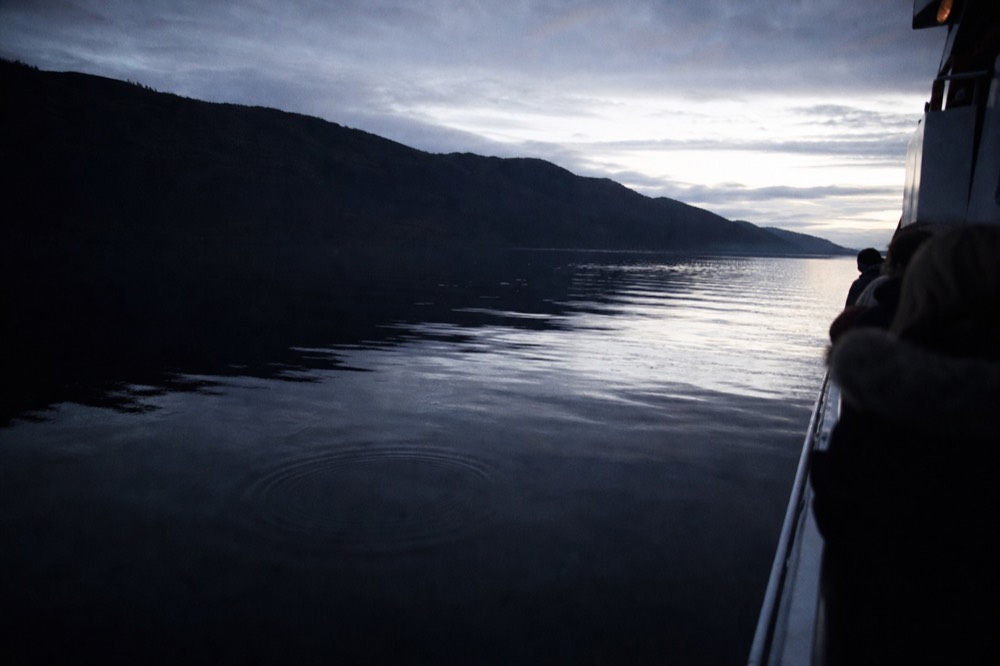
People want a headline date, a single "the last one was on such-and-such." I understand the pull, but it is the wrong shape for the answer. Having spent years on these boats, I learned that the record of Nessie is less a scoreboard and more a diary, one that gets a fresh line whenever someone reports something odd on the water. The useful question is not the exact last day, it is how the log looks lately and how much weight it carries.
When was the last sighting of Nessie?
There is no single clean date, because the official sightings register runs as a rolling log that gains entries all year. By late July 2026 it had recorded 11 reports for the year, already ahead of 2025's full-year total of six. Every one is a logged eyewitness account, submitted and dated, rather than confirmed proof of any creature.
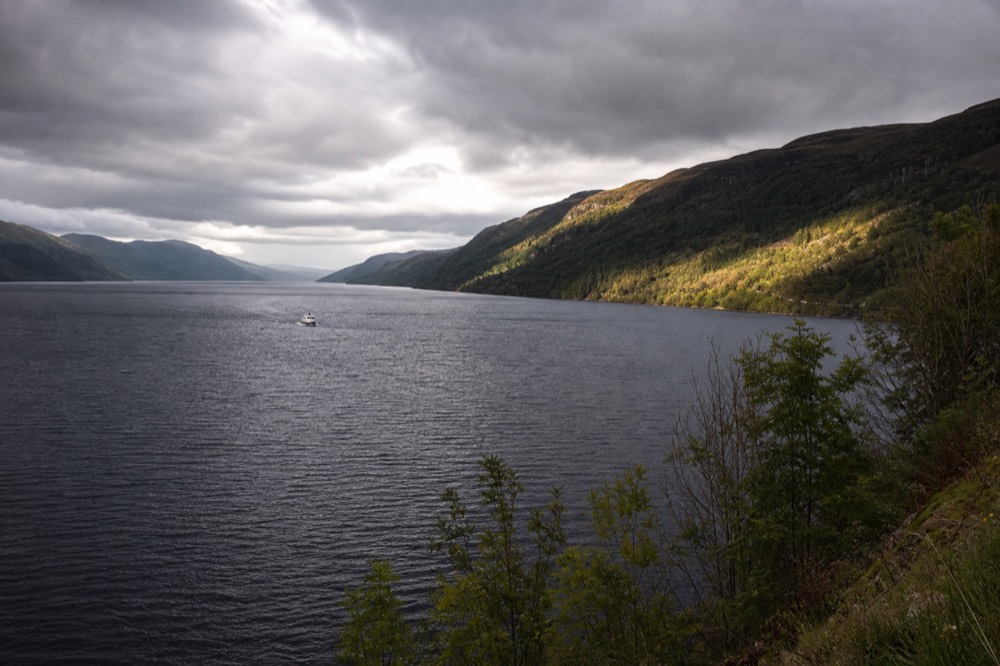
The honest framing matters here more than the number. A "sighting" in this world means a person saw something on or near the water they could not explain, then filed it: a hump, a wake with no boat, a shape that surfaced and went. It does not mean anyone confirmed a creature. What makes 2026 notable is volume, not proof. Reaching 11 by high summer, when a normal year might gather a handful, is a real uptick worth reporting plainly, and several of this year's entries came from people on cruise boats and up at Urquhart Castle, the vantage points nearest the deepest water. The 1933 report by Aldie Mackay started the modern phenomenon, and the log has been growing ever since.
If the record is what pulls you here, the Sensation combo is the trip that pairs a sailing with the exhibition that keeps that record. The coach day and the short castle-stretch cruise put you on the same water without the exhibition. Our page on the Nessie-focused boat tour lines them up.
How does the sightings register actually work?
It is a public log kept by the Loch Ness Centre and its collaborators, where people submit what they saw with a date, a description and sometimes a photo or video. Entries are reviewed for obvious explanations, then recorded. It tracks reports, not confirmed events, so a rising count means more people reporting, not proof that anything was found.
Treat it like a weather diary rather than a court record. The value is in the pattern over time, which is why a year like 2026 stands out against 2025. The register sorts the plainly mistaken from the genuinely puzzling, but even a puzzling entry stays exactly that, unexplained, not verified. The dark, peaty water does the rest of the work, hiding everything more than a couple of metres down so nothing beneath the surface is ever settled by eye. That gap between what people see on top and what can be confirmed below is the whole engine of the legend, and it is covered honestly in our piece on why the loch runs black.
| Year | Reports logged | Note |
|---|---|---|
| 2023 | Loch Ness Centre reopened 10 June; first big organised search | The modern hunt restarts |
| 2025 | 6 across the full year | A quiet, typical tally |
| 2026 | 11 by late July | Already past 2025 at midsummer |
Has the organised search found anything recent?
Not conclusively, though it keeps looking with better tools each time. The Quest, the biggest coordinated search in decades, first ran in August 2023 and has become an annual event, reaching its fourth edition in late May 2026. Teams have used drones, hydrophones and, most recently, an autonomous underwater vehicle mapping Urquhart Bay. They have logged odd sounds and anomalies, but no definitive evidence.
This is where the story gets genuinely modern and, oddly, more honest for it. The search now run from the Loch Ness Centre is science-flavoured rather than monster-hunting theatre: listening gear on the surface, thermal cameras, and an underwater vehicle working the deep bay below the castle. Volunteers on the 2023 search reported unexplained underwater "gloops" picked up by hydrophones, which made headlines and settled nothing. The 2026 edition pushed further into the deep water with autonomous kit. None of it has produced a creature, and the organisers are refreshingly straight about that. What the searches really deliver is careful data and a very good weekend of watching the loch.
Can you add to the record on a cruise?
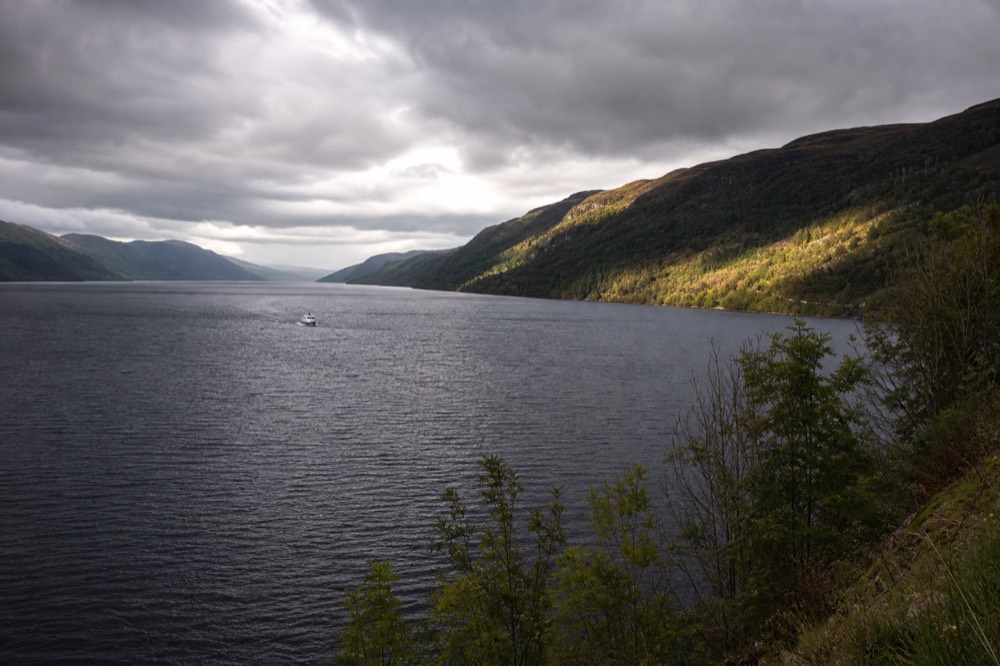
In principle, yes. Cruise passengers file some of the reports on the register every year, because a boat carries you over the deepest, most-watched water with a clear all-round view. The Sensation combo is the trip that pairs that sailing with the Loch Ness Centre exhibition, so you learn how the record is kept before you go looking to add to it.
I am not promising you a sighting, and I would not trust anyone who did. But if you want the honest best shot, it is the same answer as ever: get out over Urquhart Bay, keep your eyes on a calm surface, and know the story well enough to tell a wake from something strange. The exhibition does that second part, and the cruise does the first. Book the combined cruise and exhibition day and check live availability and current prices on the official listing. The full spread of sailings sits on the Loch Ness Cruises homepage if you would rather compare first.
| If you want to | The trip that fits |
|---|---|
| Sail informed and add to the log | Cruise plus Loch Ness Centre exhibition |
| Just be on the deep, reported water | Short castle-stretch sailing |
| Do it all from Inverness, no car | Coach and cruise day |
So, the last sighting? There is always a most-recent line in the log, and by late 2026 there were 11 of them for the year and counting. Read it as a lively diary rather than a verdict, sail the water it describes, and enjoy the best unsolved story in Scotland for exactly what it is.