Dog-Friendly Cruises on Loch Ness: What to Check Before You Book With a Dog
Plenty of people want to bring the dog on the water, and the loch is a fine place to do it. The one rule that matters: confirm the current pet policy on the listing before you book, because it is set per sailing and it changes.
Short answer
Whether you can take a dog on a Loch Ness cruise depends on the individual sailing's current pet policy, which is set per listing and can change, so confirm it on the live booking page before you commit rather than assuming. If a sailing does welcome dogs, the calmer canal cruises with roomy open decks tend to suit them best, and a private charter gives you the most control over space and pace.
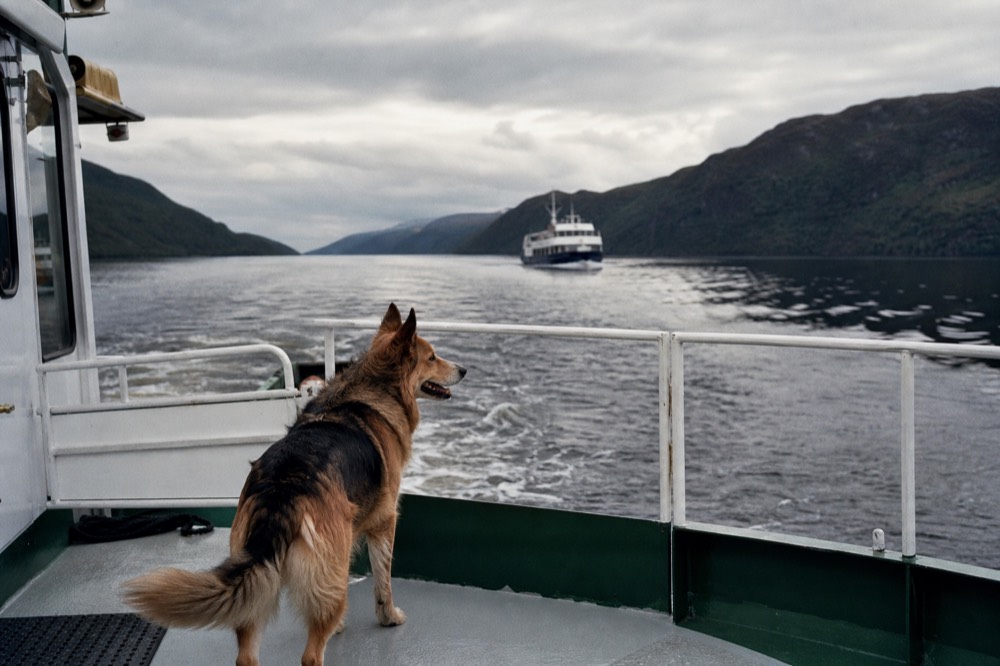
The dog was a border collie, soaked to the shoulders, grinning at the wake while its owner gripped the lead and the rail in equal measure. I saw a fair few dogs aboard over the seasons, and the ones that had a good time all had the same thing in common: an owner who had checked the rules first and picked the right sailing. That is really the whole guide. A boat on Loch Ness can be a great morning for a dog, but only if you confirm you can bring it and choose a trip that suits the animal rather than fighting it.
So this is an honest planning guide, not a promise. Pet policies on these sailings are set per listing and they change, so I will not tell you a specific cruise "allows dogs" as a fixed fact. What I will do is show you how to check, which trip features work for a dog when the policy permits, and how to prepare so the day goes well for the animal and everyone else aboard. For the wider fleet behind these sailings, the Jacobite operator hub explains every line.
Can you take a dog on a Loch Ness cruise?
It depends on the individual sailing. Pet policies on Loch Ness cruises are set per listing and can change between seasons, so whether a dog is welcome on a given boat is a question for the live booking page, not an assumption. Always confirm the current pet policy before you book. Where a sailing does accept dogs, well-behaved animals on a lead are typically what is expected.
I want to be straight about this, because getting it wrong means a wasted trip or a dog turned away at the jetty. There is no single sitewide "dogs welcome" rule that covers every Loch Ness sailing, and quoting one would be dishonest. The policy lives on each cruise's own listing, it can differ between the shorter and longer trips, and operators update it. The reliable move is to read the pet or accessibility section of the listing you are about to book, or ask the operator directly, and take that current answer as the truth for your date.
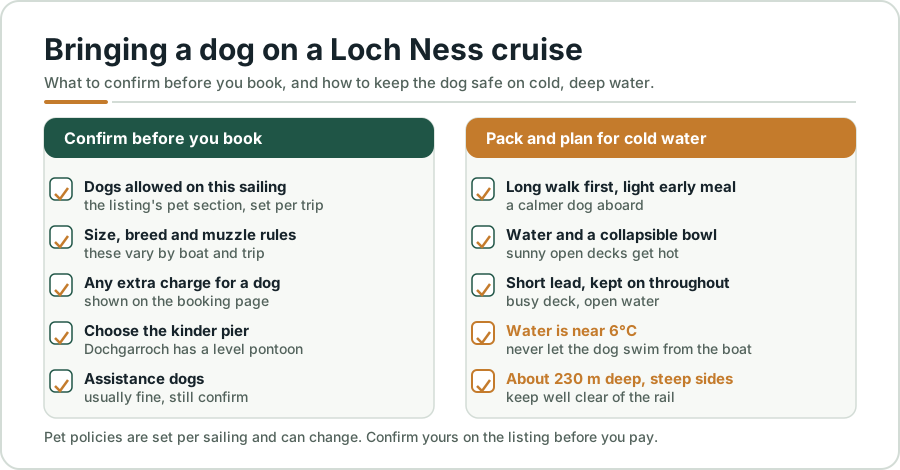
When a sailing does welcome dogs, the expectations are the ordinary ones for any busy passenger boat: a dog on a short lead, under control, comfortable around strangers and engine noise, and an owner ready to clean up and keep it off the seats. Assistance dogs are a separate matter and are generally accommodated, but again the listing or a direct question settles the specifics. The table below is a checklist for confirming the policy, not a statement of it.
| What to confirm | Where to check | Why it matters |
|---|---|---|
| Are dogs allowed on this sailing | The live listing's pet section | Set per listing, can change |
| Any size or breed limits | The listing or operator | Varies by boat and trip |
| Lead and muzzle requirements | The listing or operator | Standard for busy decks |
| Assistance dogs | The listing or operator | Usually accommodated, confirm |
| Extra charge for a dog | The booking page | Some trips add a small fee |
Each of those is booked through its own listing with its own current terms, so treat the pet policy as a per-sailing question every time. Confirm first, then choose. The rest of this guide assumes you have done that and are picking the trip that suits the dog best.
Which Loch Ness cruise suits a dog best?
If a sailing welcomes dogs, the calmer options suit them best: the two-hour Caledonian Canal cruise from the quieter Dochgarroch Lock, with its roomy open deck and gentler pier, is easier on a nervous dog than the busy Clansman flagship. Shorter sailings mean less time to settle but also less to endure. Open-deck space, a calm boarding point and a lower crowd all help a dog relax.
What makes a boat dog-friendly in practice, beyond the policy, is space and calm. A dog does best where it can stand on an open deck with room to shift, board from a quiet pier without a crush, and settle for a predictable stretch of time. By those measures the Dochgarroch canal sailings have the edge: the pier is quieter than Clansman, four to five miles from Inverness, the Caledonian Canal start is gentle water, and the two-hour cruise gives an anxious dog time to settle into the rhythm rather than being on and off before it relaxes.
The busy Clansman Harbour flagship is not ruled out, but it is the harder environment: more people, a tighter boarding queue, and steps and uneven ground at the pier. A confident, sociable dog will cope; a timid one will find the quieter canal boat kinder. Duration cuts both ways. A short 50-minute sailing limits how long a restless dog has to hold it together, while a longer cruise gives a calm dog a proper outing. The table weighs the trip features that matter to a dog.
| Trip feature | Better for a dog | Why |
|---|---|---|
| Departure pier | Dochgarroch, quieter | Less crowding at boarding |
| Open deck room | Two-hour canal cruise | Space to stand and shift |
| Crowd level | Off-peak, weekday | Fewer people, calmer dog |
| Duration | Match to the dog | Short for restless, long for calm |
| Boarding | Level pontoon over steps | Easier on older dogs |
For the calm-pier detail, the Dochgarroch departures guide covers the lock and the parking, and the wider Loch Ness Cruises homepage lists every sailing with live times so you can match a dog-suitable trip to your date.
How do you prepare a dog for a boat trip on Loch Ness?
Prepare a dog by tiring it out first, feeding lightly and early, and bringing water, a bowl, a towel and a short lead. Let it toilet before boarding, keep it off the seats, and pick a spot on the open deck where it can see the water and feel steady. A dog that is exercised, comfortable and kept close copes far better with engine noise and movement than one arriving fresh and wound up.
The single best preparation is a good walk beforehand. A dog that has burned its energy boards calm and often settles within minutes; a dog straight from the car is the one that paces and whines. Feed lightly and well before the sailing rather than right before, since a full stomach and boat movement do not mix any better for dogs than for people. Let it relieve itself at the pier before you board, because there is nowhere convenient to do so once you are on the water.
Pack light but pack right: fresh water and a collapsible bowl, a towel for the inevitable spray or a swim-damp coat, and a short lead you keep on at all times. On deck, find a spot where the dog can brace against the rail or your legs, see the shore going past, and stay out of the main walkway. Keep it off the upholstered saloon seats out of courtesy to the next passengers. The table below is a simple pack-and-prep list.
| Before and during | Bring or do | Why |
|---|---|---|
| Long walk first | Tire the dog out | Calmer aboard |
| Light, early meal | Feed before, not just before | Avoids sea-sickness |
| Toilet at the pier | Before boarding | No spot on the water |
| Water and bowl | Collapsible bowl | Dogs overheat on sunny decks |
| Towel | For spray or wet coat | Keeps the dog comfortable |
| Short lead, kept on | Control at all times | Busy deck, open water |
What should you watch for: the cold water and the loch itself?
The loch is the real hazard, not the boat. Loch Ness is cold all year, around 6°C on average, and roughly 230 metres deep with no shallow edge, so a dog that jumps or falls in faces genuine cold-water shock and a hard rescue. Keep the lead on near the rail, never let a dog leap for a swim, and treat the open deck as you would with a small child aboard.
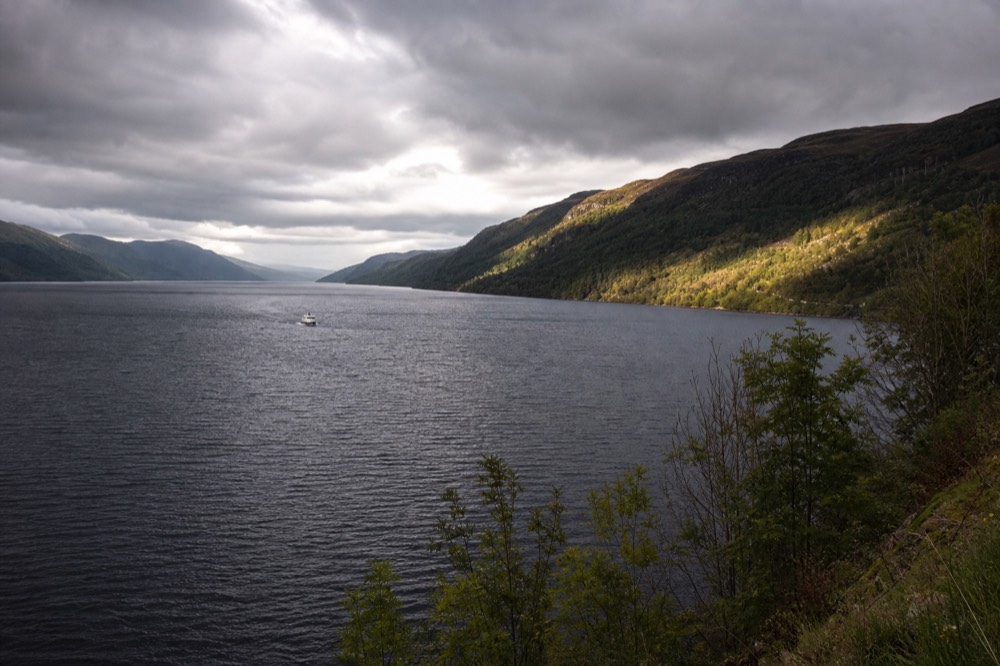
This is the part owners underestimate, so I will not soften it. Loch Ness is not a paddling pond. The water sits near 6°C for most of the year and climbs only into the low teens at the surface in high summer, cold enough that even a strong-swimming dog is at risk of the same cold-water shock the RNLI warns people about. The loch is around 230 metres deep with steep sides and no gentle shelving, so a dog in the water cannot simply wade out, and hauling one back aboard a moving passenger boat is neither quick nor safe.
The practical response is simple: keep the lead on and short whenever you are near the rail, never encourage a dog to swim from the boat, and stay physically between an excitable dog and the open edge. The peaty dark water that makes the loch so striking also hides the drop, which is part of why the surface looks so solid and unreadable. Treat the deck exactly as you would with a toddler: close, controlled, and never trusting the dog's judgment over your grip.
Weather is the other variable that changes a dog's day. A warm, still afternoon on the open deck is easy, but a wet or blustery sailing means a slick deck, spray, and a dog that would rather be inside. The heated saloon is the fallback, though a wet dog among seated passengers is a courtesy problem as much as a comfort one, so bring the towel and a mat it can lie on. If the forecast is genuinely rough, the honest call is to leave the dog with someone ashore for that sailing rather than force a miserable hour on an animal that cannot tell you it wants off. A calm shoulder-season morning, fewer people aboard, is kinder to most dogs than a packed July deck in strong sun. The table sorts the real risks and the responses.
| Risk | Why it is serious here | Your response |
|---|---|---|
| Cold-water shock | Water near 6°C most of the year | Never let the dog swim from the boat |
| Deep, steep sides | About 230 m, no shallow edge | Keep clear of the rail |
| Hard rescue | Moving boat, cold water | Lead on and short throughout |
| Slippery deck | Spray and rain | Steady footing, watch older dogs |
| Overheating | Sunny open deck | Water, shade, a bowl to hand |
Is a private charter the best option for a dog?
If it fits your budget and the operator confirms dogs are welcome on it, a private charter is the most controlled way to cruise with a dog. You have the whole boat, so there are no strangers to unsettle a nervous animal, you set the pace, and you manage the space entirely. Priced per group from around £800, it makes sense split across a family or party rather than for one dog owner alone.
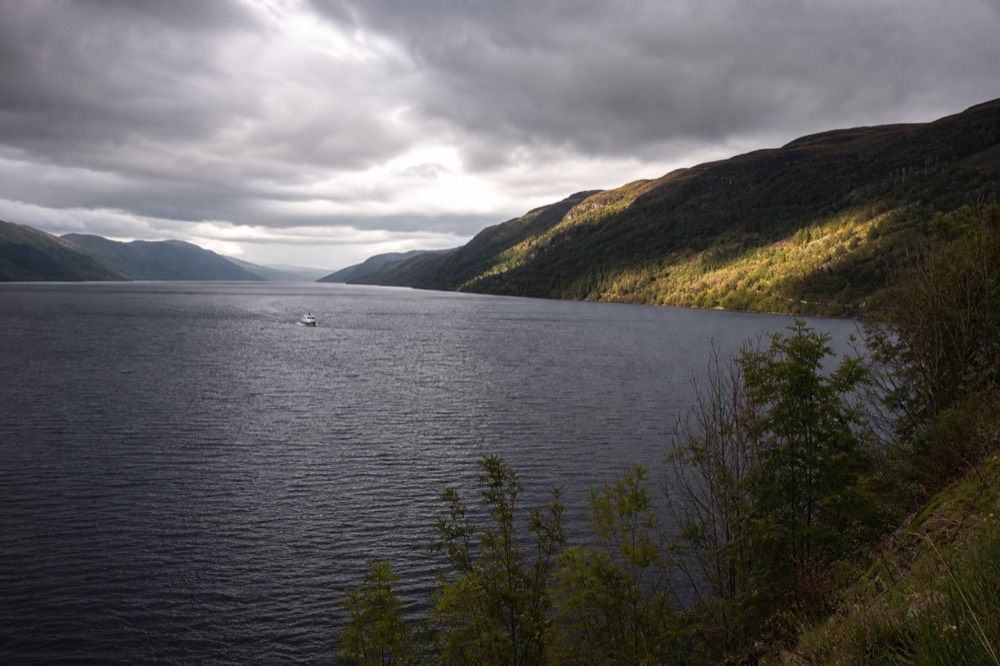
For a dog that struggles with crowds, or an owner who would rather not manage the animal around a full boat of strangers, having the vessel to yourselves removes most of the stress at once. On a private charter there is no queue to board, no other passengers for the dog to weave between, and no competition for the calm spot on deck, and you can call the timing around the dog's needs. As with every sailing, confirm the pet policy for the charter specifically before booking, since a private hire is not automatically a pet-friendly one.
The honest catch is cost. At around £800 for the whole boat it is a per-group price you divide, so it earns its number for a family, a celebration or a small party sharing the fare, and it is poor value for a single owner with one dog. It is also worth asking, when you enquire, whether the crew is comfortable with a dog aboard a private hire specifically, since a charter is still a crewed sailing rather than your own vessel. Most groups who go this route do so for a mix of reasons, a nervous dog being one of several, so the dog rarely has to justify the whole cost on its own. If you are already a group and the dog is part of the plan, it is the calmest option on the water. When you are weighing it, check live availability and current prices on the operator's listing and confirm the pet terms in the same visit. For the fuller cost picture, the Loch Ness cruise prices guide breaks the charter maths down by group size.
What should you confirm before booking with a dog?
Before booking, confirm four things on the live listing or with the operator: that dogs are allowed on that specific sailing, any size, breed or muzzle rules, whether there is an extra charge, and how boarding works at the pier. Then prepare the dog for cold water and a busy deck. Doing this in one visit to the booking page saves a wasted trip and a dog turned away at the jetty.
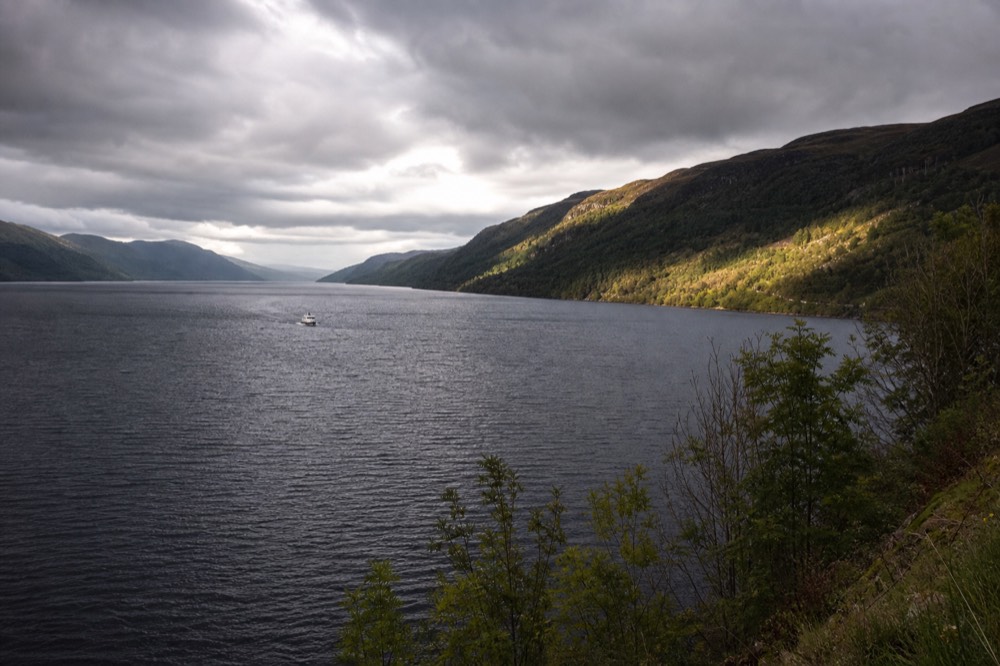
Pull the whole plan together in one place before you pay. Read the pet and accessibility notes on the sailing you want, and if anything is unclear, ask the operator directly rather than guessing, because the answer for your date is the only one that counts. Check whether a dog carries a small fee, since some trips add one, and look at how you board: a level pontoon at Dochgarroch is far kinder to an older or anxious dog than steps and a queue. If you are also planning to visit Urquhart Castle on a landing or coach trip, check its dog rules separately, as the site is managed by Historic Environment Scotland with its own policy.
Get those confirmations and the day is straightforward: a confirmed-friendly sailing, a calm pier, a prepared and well-exercised dog, and an owner who respects the cold water. That is the recipe I watched work every time a dog came aboard and enjoyed it. For where the different sailings leave from and how to reach them, the boat-tour overview maps every option. The table below is a final pre-booking pass.
| Confirm before booking | Source | Then |
|---|---|---|
| Dogs allowed on this sailing | Live listing or operator | Book only if confirmed |
| Size, breed, muzzle rules | Listing or operator | Match to your dog |
| Extra dog charge | Booking page | Budget for it |
| Boarding style at the pier | Pier guide or listing | Choose the kinder pier |
| Cold-water and deck prep | This guide | Pack and plan |
Confirm first, choose the calm boat, prepare the dog, and respect the loch. Do that and a Loch Ness sailing is one of the better mornings a dog can have in the Highlands, provided the current policy on your chosen trip says it is welcome aboard.